Latest posts
-
Why Should We Treat People with Kindness?

Why should we treat people with kindness? The Bible teaches that kindness reflects God’s character, strengthens relationships, and demonstrates Christ’s love in everyday life. Whether someone deserves it or not, choosing kindness is an act of faith, obedience, and spiritual maturity that honors God and positively influences others. Kindness is more than simply being polite…
-
Why Should We Treat People with Kindness?

Why should we treat people with kindness? The Bible teaches that kindness reflects God’s character, strengthens relationships, and demonstrates Christ’s love in everyday life. Whether someone deserves it or not, choosing kindness is an act of faith, obedience, and spiritual maturity that honors God and positively influences others. Kindness is more than simply being polite…
-
Why Is Gratitude Important in Recovery? 9 Benefits

Recovery is rarely a straight path. Some days bring progress and hope, while others may bring regret, frustration, loneliness, or uncertainty about the future. In those difficult moments, gratitude can offer a healthier way to recognize what is still good and meaningful. Gratitude in recovery can help people notice progress, appreciate supportive relationships, strengthen hope,…
-
Why Is Gratitude Important in Leadership?

Leadership is about more than making decisions or guiding others toward a goal. At its core, leadership is about influence, character, and the ability to serve people well. That is why gratitude is important in leadership. A grateful leader develops humility, strengthens relationships, makes wiser decisions, and reflects the servant-hearted example of Jesus Christ. Whether…
-
Where Do I Start Reading the Bible? A Beginner’s Guide
If you’ve ever wondered, “Where do I start reading the Bible?” you’re not alone. Many people feel excited to learn about God but quickly become overwhelmed by the Bible’s size and structure. With 66 books covering thousands of years of history, poetry, prophecy, and teachings, knowing where to begin can seem challenging. The good news…
-
Where Did the Bible Come From? Origins and History

The Bible has shaped cultures, inspired billions of people, and influenced history for thousands of years. Yet one of the most common questions people ask is, where did the Bible come from? Some wonder whether it was written by one person, while others question if it has been changed over time or whether today’s Bible…
-
What Is the Difference Between Gratitude and Thanksgiving?
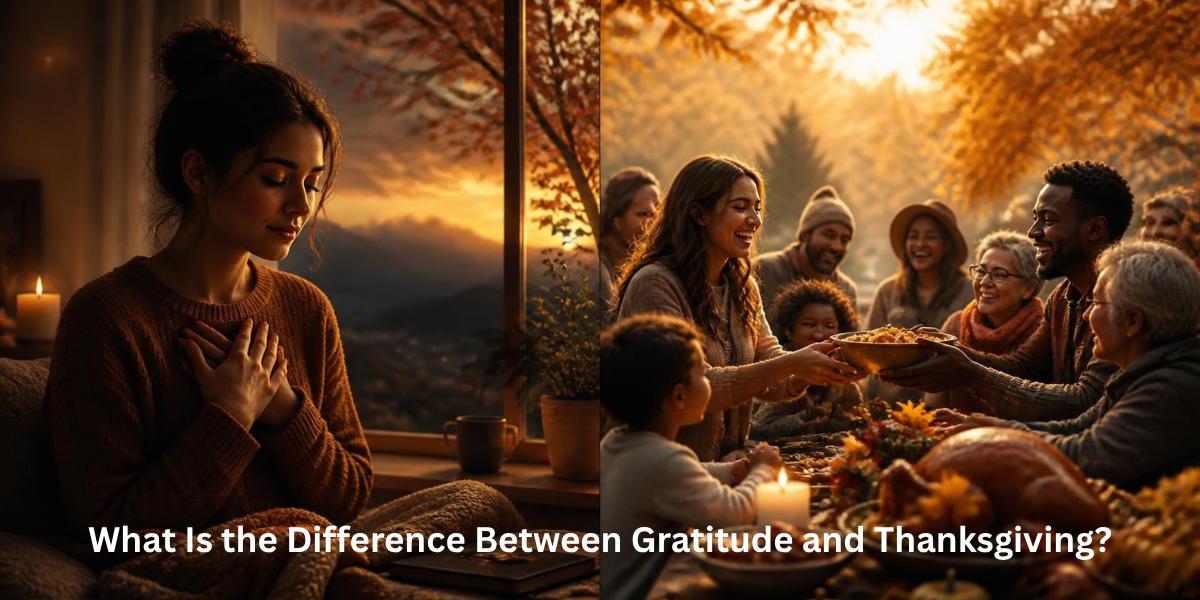
Many people use gratitude and thanksgiving as if they mean exactly the same thing. While they are closely connected, the Bible presents them as distinct yet complementary aspects of Christian living. Gratitude is the inward attitude of appreciating God’s goodness, while thanksgiving is the outward expression of that appreciation through words, prayer, worship, and actions.…
-
What Is the Difference Between Faith and Hope?
Faith and hope are two of the most important themes in the Christian life, yet they are often misunderstood or used as if they mean the same thing. While both encourage believers to trust God, the Bible gives each a unique role. Understanding the difference between faith and hope can strengthen your relationship with God,…
-
What Does the Bible Say About Depression and Loneliness?
The Bible does not ignore depression, loneliness, grief, fear, or emotional pain. Although Scripture does not use the modern clinical term depression as we do today, it openly describes people who felt overwhelmed, discouraged, exhausted, lonely, and even hopeless. David, Elijah, Job, Jeremiah, Moses, and Paul all experienced seasons of deep distress while still seeking…
-
What Are the Principles of Christianity? A Biblical Guide
Christianity is one of the world’s largest religions, but many people still ask, what are the principles of Christianity? Whether you’re exploring the Christian faith for the first time or seeking a clearer understanding of its core teachings, these principles provide the foundation for a life centered on God. Rather than focusing only on religious…