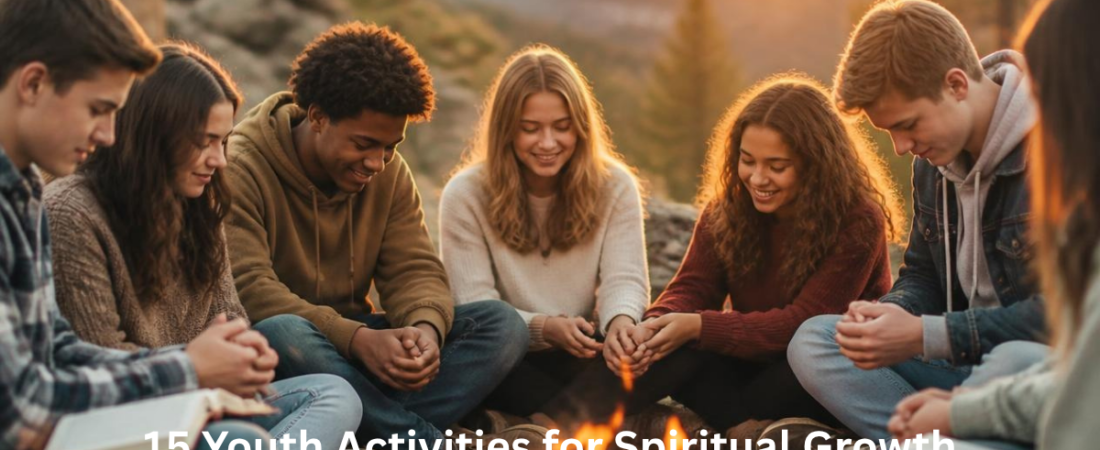
Young people can grow spiritually when faith becomes something they actively practice, not something they only hear about. The right youth activities for spiritual growth can help teenagers engage with Scripture, develop a consistent prayer life, strengthen their faith, serve others, and build meaningful Christian relationships.
Whether you’re a parent, youth leader, pastor, mentor, or part of a church youth group, the goal should be more than keeping young people occupied. Good spiritual activities help them understand biblical principles, ask honest questions, develop Christian character, and put their faith into practice.
What Are Some Spiritual Activities for Youth?
Some effective spiritual activities for youth include Bible study, prayer circles, Scripture memorization, worship, Christian journaling, testimony sharing, community service, faith discussions, Bible-based challenges, and mentoring.
The most meaningful activities connect participation with a clear spiritual purpose. Here are practical ideas you can adapt for a youth ministry, small group, family, or individual teenager.
1.Group Bible Study
A youth Bible study gives teenagers a welcoming space to explore Scripture, ask questions, discuss their faith, and discover how biblical teachings can guide their everyday lives.
Instead of simply explaining a passage, let young people discuss what it means, identify a practical lesson, and share how they could apply it during the week.
- Prayer Circles
Prayer circles encourage young people to develop their prayer life while learning the value of praying together. Each person can pray about a specific need, express gratitude, or pray for someone else.
This can make prayer more personal and help teenagers see it as an ongoing way of communicating with God.
- Scripture Memorization Challenges
Choose a short Bible verse each week and turn memorization into a friendly challenge. Young people can explain what the verse means, create a visual reminder, or describe a situation where they could apply it.
This combines Scripture memorization with reflection rather than treating memorization as an isolated task.
- Worship and Praise Sessions
Worship can include singing, prayer, reading Scripture, or sharing personal reflections. Give youth opportunities to participate by choosing worship songs, reading passages, or helping lead a worship gathering.
The purpose is to help them understand worship as a response to God, not simply a scheduled part of a church service.
- Christian Journaling
Encourage teenagers to keep a simple spiritual journal. They might record a Bible verse, prayer, gratitude, question, or lesson from the week.
Over time, reflection can help young Christians recognize patterns in their faith journey and become more intentional about spiritual development.
- Testimony Sharing
Invite youth to share a personal experience of faith, a challenge they have faced, or something they have learned from Scripture.
Testimony sharing can build encouragement and Christian friendships while reminding young people that spiritual growth often happens through real-life experiences.
- Community Service
Serving others is one of the most practical faith-building activities for youth. Youth groups can volunteer at a community organization, help a family in need, organize a food collection, or participate in a church outreach project.
Service teaches young people to move beyond discussing Christian values and actually practice compassion, generosity, and responsibility.
- Faith Discussion Groups
Set aside time for honest conversations about faith, relationships, identity, purpose, doubt, loneliness, and everyday challenges. This can also give young people a safe place to explore what the Bible says about loneliness and difficult emotions.
Youth should be allowed to ask difficult questions without feeling embarrassed. A pastor, youth leader, or mentor can guide the discussion toward Scripture while acknowledging that spiritual development takes time.
- Bible-Based Games and Challenges
Bible activities for teenagers don’t have to feel like another classroom lesson. Try Scripture scavenger hunts, Bible quizzes, verse-matching challenges, or team activities based on biblical stories.
The important part is connecting the activity to learning. A game can be enjoyable while still helping youth remember Scripture and understand biblical lessons.
- Christian Mentoring
Pairing younger Christians with mature believers can provide personal encouragement and spiritual guidance. A mentor can listen, pray with a teenager, discuss Scripture, and model what Christian discipleship looks like in everyday life.
Mentoring works particularly well when it is based on trust, consistency, accountability, and genuine conversation.
How Can Youth Grow Spiritually?
Youth can grow spiritually through regular Bible reading, prayer, Christian fellowship, worship, service, mentoring, personal reflection, and applying biblical teaching to everyday decisions.
Spiritual growth is usually built through consistent habits rather than one memorable event. Encourage young people to:
- Spend regular time reading Scripture.
- Develop honest and consistent prayer habits.
- Participate in a supportive Christian community.
- Serve other people.
- Ask questions about their faith.
- Learn from mature Christians.
- Reflect on what they are learning and practicing.
These habits can support spiritual maturity, faith development, Christian discipleship, and a deeper relationship with God. For a broader look at key practices for spiritual growth, consistency matters more than trying to change everything at once.
How Can You Make Spiritual Activities Engaging for Youth?
Even valuable Christian activities can lose their impact if young people feel they are being lectured at. Effective Christian youth activities give teenagers opportunities to participate, lead, question, create, and serve.
Make Activities Interactive
Use discussion, teamwork, role-play, challenges, and practical exercises instead of relying entirely on long explanations.
Connect Scripture With Real Life
Discuss situations teenagers actually face. Ask how biblical principles might influence decisions about friendships, school, social media, forgiveness, pressure, personal goals, and living a holy life.
Give Young People Leadership Roles
Let teenagers lead prayer, organize service projects, select discussion questions, read Scripture, or help plan youth gatherings. Responsibility can turn passive participation into meaningful involvement.
Encourage Honest Questions
Faith can become stronger when young people have space to think deeply. A healthy youth ministry doesn’t require teenagers to pretend they have every answer.
Spiritual Activities for Different Youth Settings
The best activities depend on the setting and the people involved.
Youth Group Activities
For a church youth group, combine Bible study, prayer, fellowship, worship, service, and discussion. A monthly service project followed by a short reflection can connect Christian teaching with action.
Activities for Teenagers at Home
Families can read a short Bible passage together, pray for specific needs, keep gratitude journals, or discuss one faith-related question during the week.
Individual Spiritual Activities
A teenager can practice personal devotion through Bible reading, prayer, Scripture memorization, journaling, worship, and quiet reflection.
Church Youth Activities
Churches can combine youth ministry events with mentoring, outreach, discipleship, small groups, and opportunities for young people to serve the wider Christian community.
What Are the Five Pillars of Spiritual Growth?
A practical way to understand spiritual growth is through five connected areas:
- Bible and Truth — learning Scripture and understanding biblical teaching.
- Prayer and Dependence on God — developing a consistent prayer life.
- Worship and Relationship With God — responding to God through worship and devotion.
- Fellowship and Christian Community — growing through healthy Christian relationships.
- Service and Living Out Faith — putting Christian values into practice by serving others.
These areas work together. Bible knowledge without application can remain theoretical, while service without spiritual grounding can lose its connection to faith. Healthy growth brings learning, relationship, community, and action together.
FAQ’s
Q: What are some spiritual activities for youth?
Bible study, prayer circles, Scripture memorization, worship, journaling, testimony sharing, community service, faith discussions, Bible-based challenges, and Christian mentoring are practical options.
Q: How can youth grow spiritually?
Young people can grow through consistent Scripture reading, prayer, worship, fellowship, service, mentoring, personal reflection, and applying biblical principles to everyday life.
Q: What activities promote spiritual growth?
Activities that encourage Bible engagement, prayer, worship, Christian fellowship, service, reflection, and discipleship can all contribute to spiritual growth.
Q: What are some examples of spiritual activities?
Examples include devotional reading, group prayer, Scripture memorization, worship, journaling, testimony sharing, Bible discussions, volunteering, and mentoring.
Q: What are good activities for youth?
Good activities are those that combine meaningful participation with a clear purpose. Bible discussions, service projects, prayer groups, worship, mentoring, and interactive Scripture activities can work well.
Q: What are the five pillars of spiritual growth?
A practical five-part framework includes Bible and truth, prayer and dependence on God, worship and relationship with God, fellowship and Christian community, and service and living out faith.
Q: What are good Christian activities for teenagers?
Christian teenagers can participate in Bible study, prayer, worship, Scripture challenges, service projects, Christian discussions, journaling, mentoring, and youth group activities.
Q: How can youth leaders encourage spiritual growth?
Youth leaders can model Christian faith, create space for honest questions, teach Scripture, encourage prayer and service, provide mentoring, and give young people meaningful leadership opportunities.
Q: How can I make Bible study interesting for teenagers?
Use relevant questions, interactive discussions, real-life situations, group activities, Scripture challenges, and opportunities for teenagers to share their own perspectives.
Q: What activities can bring young people closer to God?
Regular prayer, Scripture reading, worship, Christian fellowship, service, personal reflection, and discipleship can help young people develop deeper faith and a stronger relationship with God.
Conclusion
The most effective youth activities for spiritual growth are not necessarily the most complicated ones. A simple Bible discussion, honest prayer circle, service project, or mentoring conversation can have lasting value when it helps young people connect faith with everyday life.
Give teenagers opportunities to learn Scripture, ask questions, worship, serve others, build Christian friendships, and take responsibility for their own spiritual development. When these practices become consistent, spiritual growth becomes less about attending an activity and more about developing a living, active faith.